
Every few months there's a new model. It benchmarks higher, it reasons better, it costs less per token. Business owners read the announcement and ask me the same question: should we switch to that one?
Almost always, that's the wrong question — and it's wrong in a way that costs real money.
Here's what I've watched happen more than once. A company upgrades to the newest, most capable model available. Genuinely impressive technology. Three months later, nothing in the business has changed. Same hours lost, same bottlenecks, same team drowning in the same work. The model was never the problem. The model was the only part they'd solved.
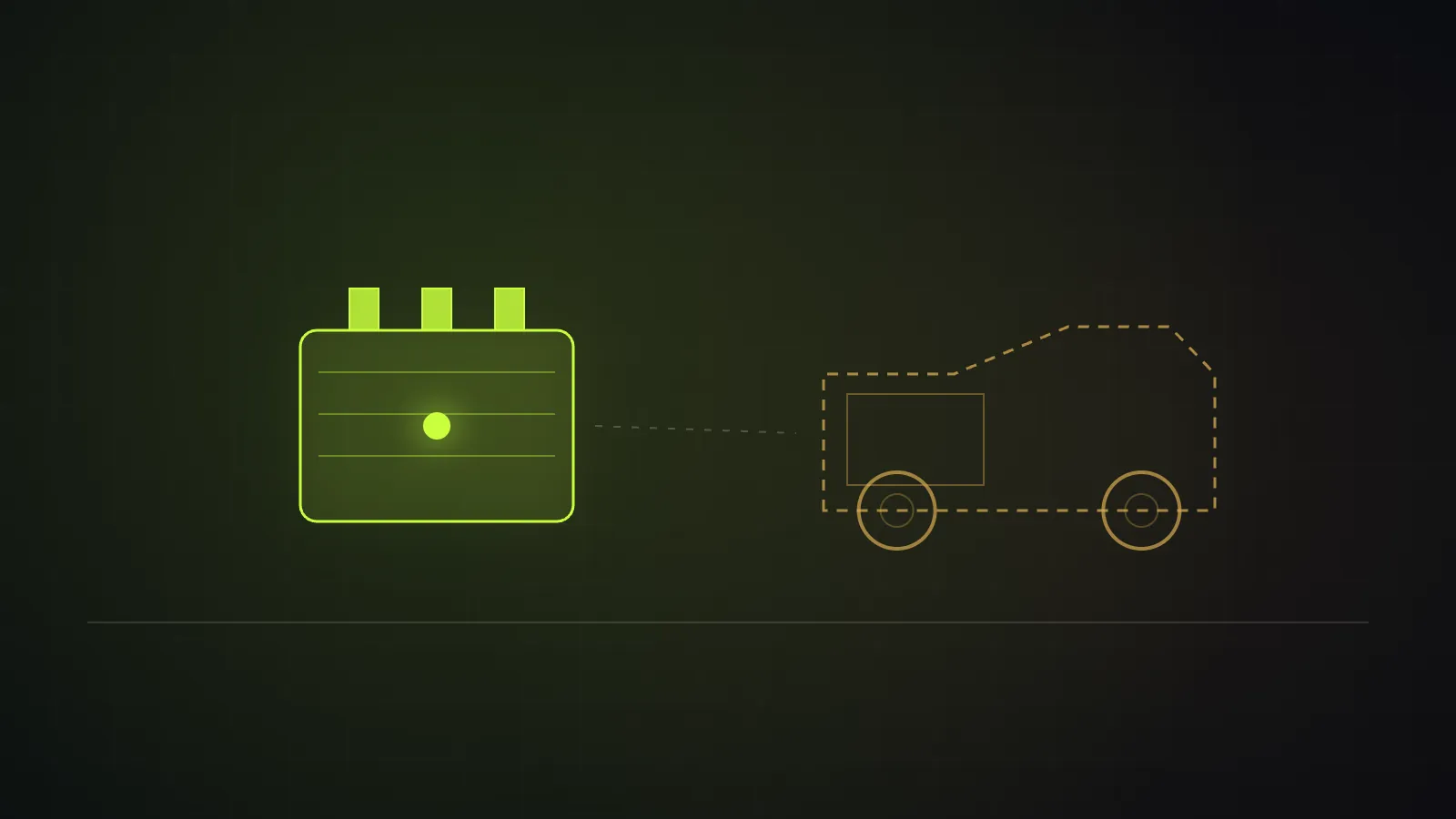
The engine and the car
Think of the model as an engine. A better engine is a real thing — more power, more efficiency, genuinely superior to last year's. But an engine sitting on your garage floor doesn't take you anywhere. It needs a chassis, a transmission, wheels, fuel, and someone who knows where they're going.
The model is the engine. The workflow is the car. Most businesses buy the engine and wonder why they're still walking.
That workflow is the unglamorous part nobody writes announcements about: where the data comes from, what triggers the process, what happens to the output, who reviews it, what happens when it's wrong, and how it connects to the tools your team already uses every day. That's where the hours are actually saved. It's also where nearly every failed AI project falls apart.
Why "the best model" is a distraction
The frontier moves fast. Whatever leads this quarter may not lead next quarter, and for the work most businesses actually need — summarizing, drafting, classifying, extracting, routing — the differences at the top have been narrowing for a while. Several options are more than good enough.
Which means chasing the leaderboard is optimizing the variable that matters least. Meanwhile the variables that decide your outcome barely get discussed:
- Is the process clean enough to automate? Automation is an amplifier. Point it at a messy process and you get a faster mess.
- Does it connect to your real systems? An AI that produces something nobody receives has saved nobody any time.
- Who catches the failures? Every automation has a failure case. If you can't say where a human steps in, you don't have a system — you have a liability.
- Would the business actually feel it? If this ran perfectly and invisibly, would anything measurable change? If not, you've automated something that didn't matter.
Answer those four and a mid-tier model will outperform a frontier model dropped into chaos. Every time.
Newer isn't the same as better-for-you
This is the shiny-object pattern wearing new clothes. Years ago I sold used cars, and people would walk onto the lot and go straight for the flashiest vehicle on it — regardless of budget, needs, or how they actually lived. The badge did the thinking for them.
The AI version is identical. The newest model is the flashiest car on the lot. It might be right for you. It might also be more capability than your use case needs, at a higher cost, with a migration that eats a month of your team's attention and delivers a difference no customer will ever notice.
Sometimes the honest answer is: your current setup is fine, and the money is better spent on the plumbing around it.
Not sure whether your problem is the model or the workflow?
Tell me where your team loses its hours. I'll tell you honestly which one is actually costing you — and whether automation is even the right answer yet.
See SB Intelligence →How we actually decide
When a client asks us to automate something, the model choice is one of the last conversations, not the first. Before that, we work in this order:
- Find the expensive hour. Which repetitive work eats the most time and needs the least judgment? That's the target — not whatever's most annoying.
- Clean the process. Write it as clear steps. If you can't, you're not ready to automate it; you're ready to fix it. A good share of these projects end here, and the client is better off for it.
- Design the wiring. Inputs, triggers, outputs, handoffs, failure paths, human checkpoints. This is the actual work.
- Then pick the model. The most economical one that reliably does the job, with room to swap later. Because you will swap later.
That last point is the quiet payoff. Build the workflow properly and the model becomes a component you can upgrade whenever something genuinely better arrives. Build around one specific model and every new release turns into another migration project.
The takeaway
New models are good news. They make everything downstream cheaper and more capable, and we pay close attention to them. But they don't change the fundamentals: automation only pays off when it's pointed at the right process, wired into the real business, and honest about where humans still belong.
Build the car. Then put whatever engine is best that week into it.
Get new field notes as we publish.
Practical writing on marketing, AI, finance, and capital — from the people doing the work. No drip funnel, no noise.