
Everyone celebrates the new client. The signed proposal, the kickoff call, the handshake. But three decades in business taught me something the sales world doesn't like to say out loud: winning a client is the easy part. Keeping one is the work.
Acquisition has adrenaline on its side. There's a pitch, a decision, a yes. Retention has none of that — it's a thousand small moments nobody applauds: the call returned the same day, the problem flagged before the client noticed it, the honest "this isn't working" delivered early instead of buried. And precisely because nobody applauds it, most firms neglect it.
The math nobody argues with
Chasing new business costs several times more than keeping the business you have — in money, in time, and in energy. But the number that actually changed how I work is a different one:
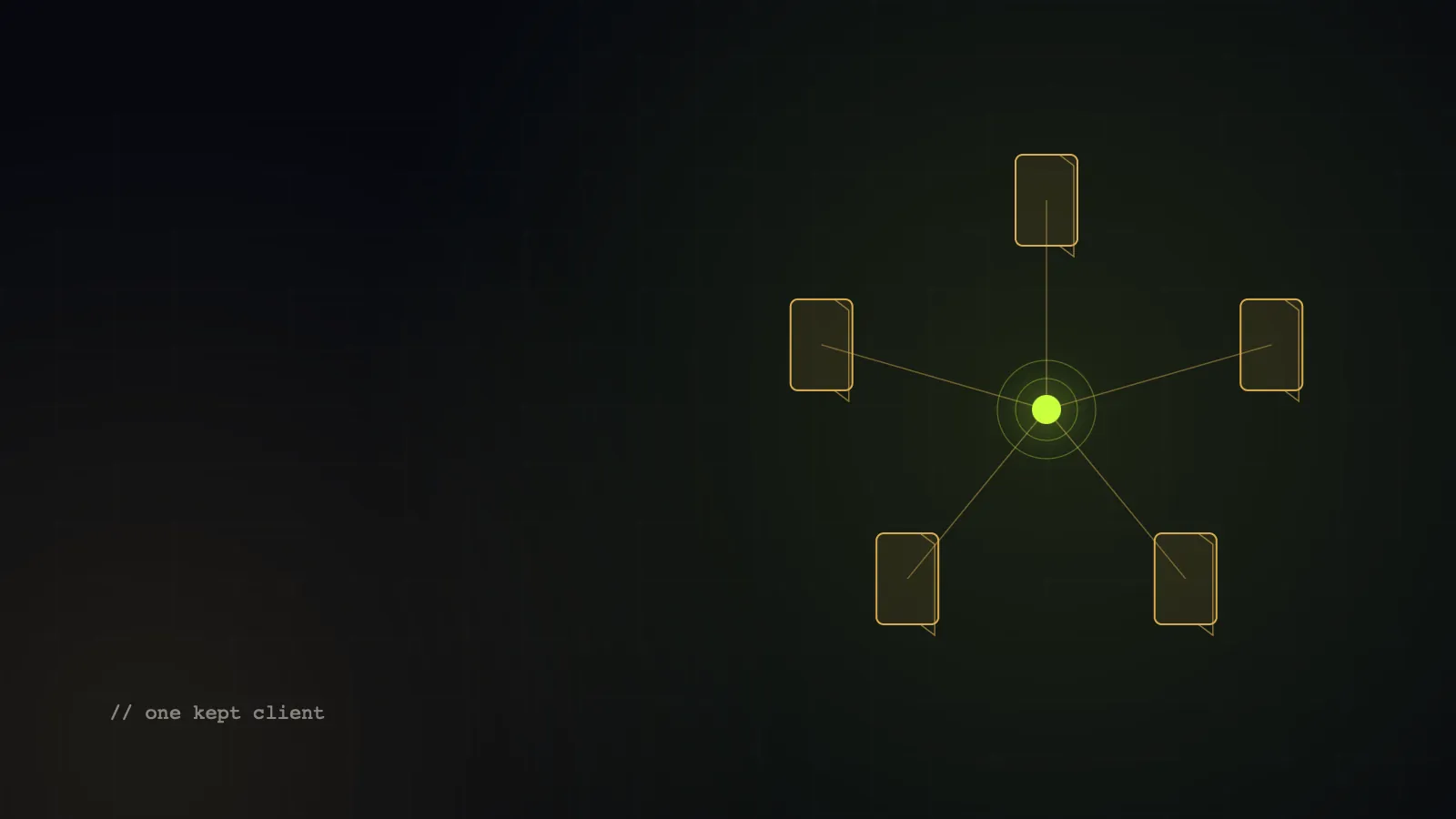
A kept client opens five doors. A lost one quietly closes ten.
A client you serve well for years becomes your best salesperson — the referral, the introduction, the "you should talk to Francis" in a room you'll never be in. A client you lose tells the same rooms a different story. The compounding runs in both directions, and it never stops running.
That's why my average client relationship runs twelve to fourteen years. Not because of contracts or lock-ins — we don't do those. Because of care.
What "the best customer care" actually means
Customer care gets confused with politeness — the cheerful email, the holiday card. That's fine, but it isn't care. Care is operational. Here's what it looks like in practice:
- Surface problems before they're felt. The advisor worth keeping flags trouble before, during, and after — in writing, nothing under the rug. Clients forgive problems; they don't forgive surprises.
- Answer like it matters. Speed of response is the most visible form of respect. A same-day reply — even "I don't know yet, here's when I will" — beats a perfect answer three days late.
- Tell the truth when it costs you. If a service isn't earning its keep, I say so, even when saying so shrinks the invoice. Honesty costs a little upfront and pays back tenfold — that's the whole model.
- Keep learning their business. Care decays when you stop being curious. The client you knew three years ago isn't the client in front of you today.
- Deliver the boring things flawlessly. Reports on time. Promises kept. Details right. Trust is built out of reliability long before it's built out of brilliance.
Why this shapes how the studio is built
This philosophy is why Studio Bananas Group works as one connected ecosystem — marketing, AI, payments, and capital under one roof. Every additional problem we solve for a client is another year added to the relationship, another reason the trust compounds. We're not trying to win a project. We're trying to be the call you make for the next decade.
And it's why we'd rather grow slowly through kept clients and their referrals than quickly through churn. Ten clients kept for ten years beat a hundred won and lost.
Want to be treated like this?
Tell me about your business. First conversation is free, honest, and useful — whether or not we end up working together.
Let's talk →The question worth asking yourself
If you run a business, here's the mirror version: how much of your energy goes to winning customers versus keeping them? Look at where your hours, your meetings, and your budget actually go. Most companies spend 90% chasing and 10% caring — then wonder why the bucket leaks.
Flip even a fraction of that ratio and the math changes fast. Keeping is cheaper than finding, kept clients buy more, and their referrals arrive pre-sold. Care isn't the soft side of business. It's the most profitable discipline in it.
Get new field notes as we publish.
Practical writing on marketing, AI, finance, and capital — from the people doing the work. No drip funnel, no noise.